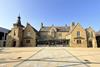





Trent Park House of Secrets in Enfield reveals the remarkable wartime intelligence operation that saw captured German generals bugged in luxurious surroundings, in a story comparable in importance to Bletchley Park - and group enquiries are now being taken.
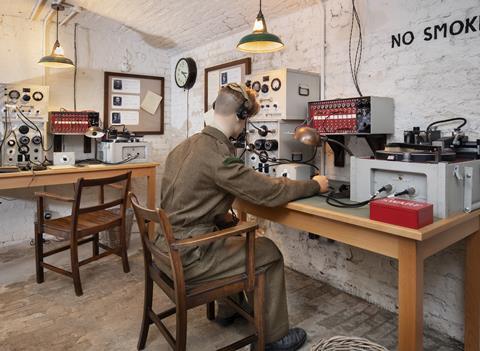
After largely remaining hidden for more than 70 years, visitors are able to explore the state rooms on the ground floor, which have been restored to their 1930s appearance with original artworks. In the basement, groups will see the listening stations, offices and working rooms of the Secret Listeners in operation.
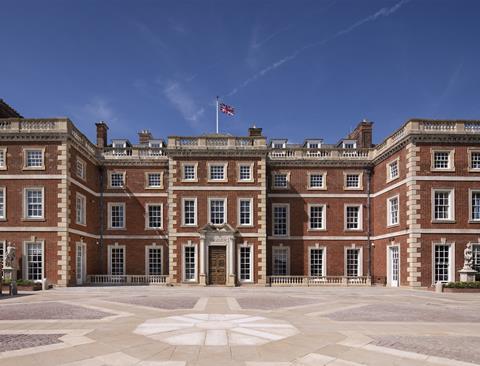
Trent Park is the former residence of Sir Philip Sassoon, of the Sassoon banking family, said to be one of the wealthiest men in England. In the 1920s, the existing Victorian structure was remodelled to his taste.
Intriguing history of Trent Park and its various residents
A lifelong bachelor, Sassoon was a close friend of the future Edward VIII and of Winston Churchill, and served as an MP and as Under-Secretary of State for Air. His list of guests who he entertained at the estate was extensive, including members of the Royal Family along with artists and entertainers such as Rex Whistler, George Bernard Shaw, Noël Coward, T. E. Lawrence (‘Lawrence of Arabia’), Charlie Chaplin and Fred Astaire.
Sassoon died in 1939 and the house was requisitioned by the government as a centre for intelligence operations. Between 1939 and the end of World War Two, the house played a key role in Britain’s intelligence battle with Germany and is comparable in importance to Bletchley Park.
Senior German officers, including 59 generals, were held captive in luxurious surroundings, treated with unusual privileges but unaware that their conversations were being recorded. Vital information was obtained by a complex network of miniaturised bugging devices hidden in every corner: in walls and skirtings, light fittings, plant pots, window ledges, the billiard table, and even the garden benches.
Teams of ‘Secret Listeners’ worked in hidden basement rooms, recording conversations between the captured officers and producing intelligence that gave the Allies a crucial advantage in the intelligence war against Germany.
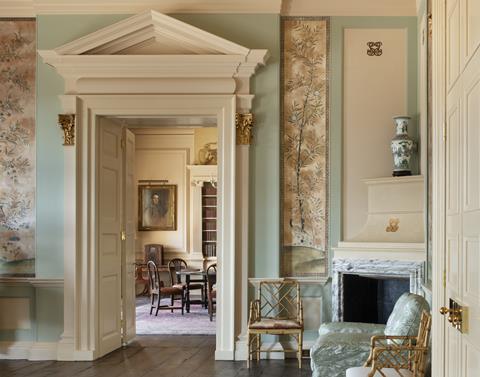
Much more to discover: full significance of the house revealed
Director of the museum, Dr Giuseppe Albano MBE, said: “Most people will come to Trent Park to discover the covert intelligence operation that took place here during World War Two.
“What I hope will surprise them is that there is so much more to discover. Before the war, these rooms played host to conversations between politicians, royalty, writers and artists at a moment when Europe stood on the brink of conflict. We have taken great care to reveal the full significance of the house, weaving together stories from some of the most colourful and turbulent years of 20th century British history.”
Helen Lederer, writer and comedian, whose grandfather was a Secret Listener, said: “It means so much that this chapter of little-known history can be told through the museum. To imagine what the Secret Listeners may have felt as they listened to the captive generals upstairs is as important as it is humbling.”
A new model of Trent Park by Ben Taggart is displayed at the end of the State Rooms, marking the shift in the House’s history.
Visitor information
Trent Park House of Secrets will open Tuesday to Sunday, 10am to 5pm. The museum is spread over two floors of Trent Park House, with a café and gift shop.
Group bookings open in September but enquiries are welcome earlier. Groups larger than 15 should get in touch with the team at groups@trentparkhouse.org.uk who will get back to you in September to arrange a visit.
For more information, visit www.trentparkhouse.org.uk