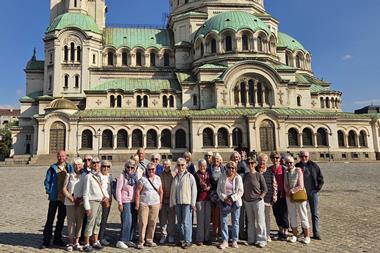




GTO John Lovelock on 50 years of a thriving community group, how it all began and some of the quirky visits he has organised.
Tell us about how the society began and your involvement
Hedgerley Historical Society began in 1976 with a group of people who were curious about the history of the village of Hedgerley, long before the days of the internet. They got together to do the research to publish a book on the history of the village in 1980. They started meeting every month and would have guest speakers and try a few outings. I got involved in 1992 when my wife and I moved to the village.
We have just revised the history of the village to make the society’s 50th anniversary this year. I became secretary in 2007 but it was struggling then and down to about 50 members. I set about revamping the programme, getting some good speakers (we’ve had the likes of Philippa Langley, who led the team to discover King Richard III in the car-park and antiques expert Paul Atterbury) and organising various visits.
It’s like with anything in life – if you have a good experience, you’re going to tell your friends about it and that enthusiasm spreads. And that’s what happened.
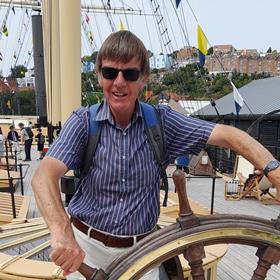
John’s group at a glance…
Group name: Hedgerley Historical Society
Based: South Buckinghamshire
No. of members: 240
Time organising: Nine years
Where have you been recently with the group?
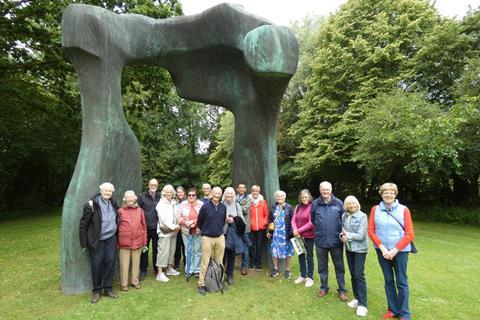
We had an excellent cruise on the Regent’s Canal from the London Canal Museum in King’s Cross to Little Venice. We’ve been to the Henry Moore Foundation in Hertfordshire and the Postal Museum in London. We’ve had coach trips to Stratford, Worcester and Bristol among others – I’m also sorting out a trip to Canterbury this year.
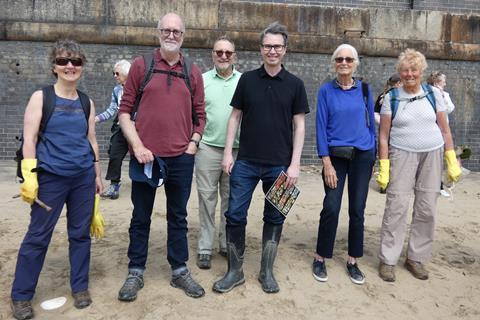
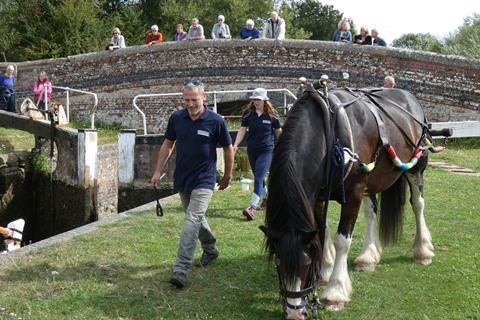
Members enjoyed a horse-drawn boat trip on the Kennet & Avon Canal recently. A quirky visit I arranged was a mudlark tour of the River Thames last year. We met near St Paul’s and spent two hours trawling and we found some interesting stuff. The Supreme Court was also fascinating, and we had a very good guide.
I met a guy from Reading at a previous Group Leisure & Travel Show – not a lot of people think about it as a destination but there’s a lot of history there – they have a replica of the Bayeux Tapestry which is fantastic – you don’t need to go to the British Museum!
How do you come up with ideas?
Various ways. I get recommendations from people, and I pick up ideas from your magazine. You will also hear about new things. For example, I’m very interested in the reopening of the London Museum.
We’re going to the Polish Air Force Museum at Northolt airport which not a lot of people know about. And Luton Hoo – I got an enquiry from one of the volunteers there enquiring about links with a neighbouring village and from that we arranged a tour – from little acorns come mighty oak trees.
The criteria is to go somewhere and do something that you can’t do as an individual. For example, anyone can go to the Tower of London. But if I arrange a group tour, we’d see parts of it that the public wouldn’t usually see – that appeals to people. And of course we get a group discount. I’m always looking for something a bit different.
Who are your members?
They are predominantly over the age of 60 and so mostly retired. We have a very active committee who are young at heart. We’re a specialist society in respect of the focus on history but it’s a broad range, covering local to national history.
Can you share a particular trip that stands out?
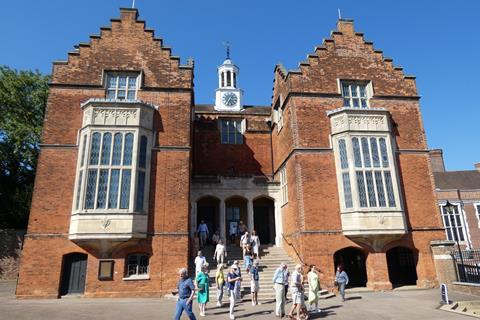
Probably Harrow School - there’s so much history there. We had an excellent guide and a lovely cream tea – it all worked very well. It was fantastic, I’d thoroughly recommend it for groups.
I’d also say the Henry Moore Foundation in Hertfordshire because again we had a brilliant guide. You can go around museums and explore but when you get a guide who knows their subject inside out and is enthusiastic, they really bring the experience to life. Whereas a bad guide can make a visit very flat – thankfully those experiences are rare.
What do you enjoy about being a group travel organiser?
I enjoy the research and putting the trips together, but I also enjoy getting the feedback afterwards. For example, after the Reading trip I arranged, a member said if it wasn’t for me, he wouldn’t have gone there and discovered so much history – that’s really nice and makes all the work worthwhile. And I’ve got a very good committee supporting me – if you have a good team, it really helps.