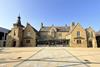





Handel Hendrix House, the former home of G.F. Handel, welcomes visitors to a new exhibition uncovering the inspiration behind the celebrated composer’s work.
Hallelujah House: Inside Handel’s HQ will run from 17th September to 14th March 2027, offering a rare glimpse behind the scenes of the composer’s life.
Located on 25 Brook Street, Mayfair, H.F Handel took out the lease for the property in 1723 and remained there until his death 36 years later. Hallelujah House will take visitors on a journey of Handel’s life, showing how his music reached theatres, taverns, coronations, and even royal palaces.
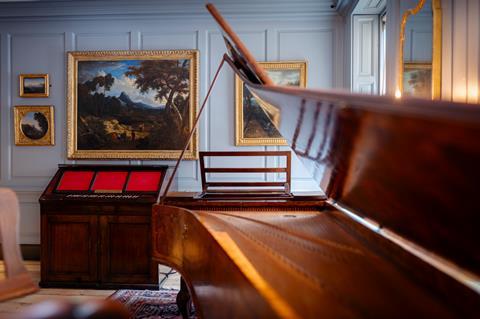
Visitors will be immersed into the composer’s world, walking through historic rooms that will be presented in a way they might have looked in the 1740s.
Exhibition curator, Olwen Foulkes said: “The story of a creative entrepreneur working hard from home feels very relevant to today, and we are thrilled to be bringing together so many inspiring works of art and objects from museums and our own collections to bring this story vividly to life.”
Who was G.F Handel?
George Frideric Handel (1865-1759) was a renowned symphonist and musical director, best known for his works featured at the opera, classical concerts and more.
His more famous melodies include Water Music (1717), Messiah (1741) and Music for the Royal Fireworks (1749).
Handel’s talents extended far beyond just writing the arrangements, Handel was an avid instrumentalist and could play the oboe, harpsichord, violin and the organ.
Most of Handel’s work occurred inside the four walls of Brook Street, and he even sold tickets and subscriptions of his newest compositions from the ground floor parlour, which visitors can explore on the tour.
Items expected on display
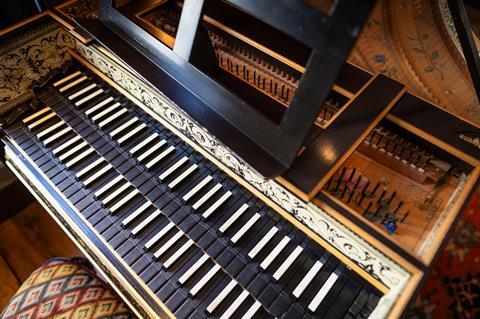
Several objects shown in Hallelujah House are loaned from various collections and are rarely on show to the public. Visitors can expect to see manuscripts, letters, portraits, personal possessions and musical instruments. Some of the historic items include:
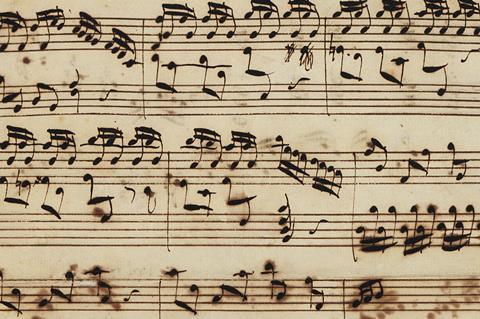
- A letter written in Handel’s handwriting to his collaborator on Messiah, Charles Jennens, asking him to detail parts of the composition that needed improving.
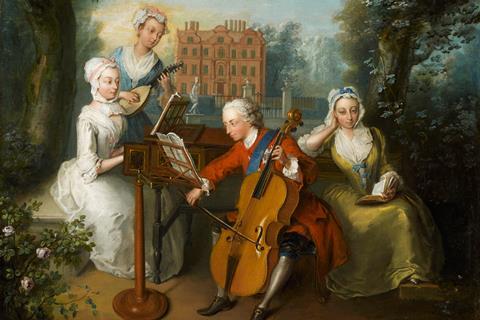
- A painting titled The Music Party by Philip Mercier, depicting some of Handel’s students.
- A book by notorious quack, John Taylor, who performed unsuccessful eye surgery on Handel, impairing his vision for the remainder of his life.
Tickets, discounts and more
Group bookings of ten or more people are offered a 10% discount per ticket, and the exhibition can accommodate up to 20 visitors per allocated slot.
For groups of 20 people or more, organisers will need to contact mail@handelhendrix.org to secure their tickets.
Handel Hendrix House is made up of two residences: Handel’s house at 25 Brook Street and Hendrix’s flat at the top floor of 23 Brook Street. Tickets will include access to both houses.
Find out more about the historic venue here.