



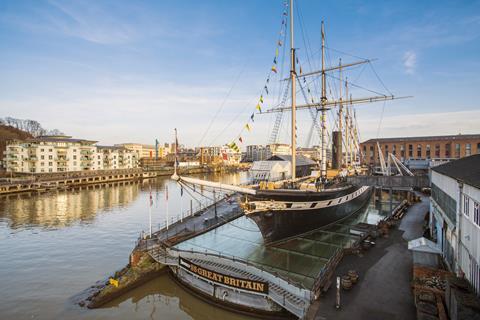
The home of the SS Great Britain has reopened as Bristol Dockyards, unveiling a major new museum that brings fresh perspectives and previously untold stories about the world’s first modern ship.
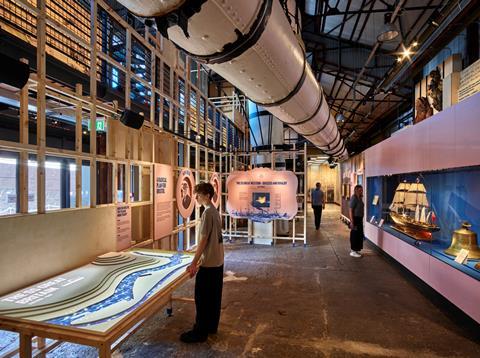
Using newly discovered material, interactive exhibits and history discovered by the people of Bristol, the museum explores the impact of the ship on the world, on the lives of those on board, and on the places to which it travelled.
From technological revolution to emigration, trade, culture and globalisation, the exhibits will take visitors through the world the SS Great Britain shaped.
About the SS Great Britain
Said to be the first modern ship, it was bigger and faster than anything before. Between 1845 and 1886, it reached every inhabited continent and carried passengers from 51 nations. A culmination of a five-year research project, the new museum reveals previously untold human stories from the ship’s 41 years of service, spanning her construction in Bristol in the 1840s to her voyages to New York, Australia, India and San Francisco.
James Boyd, director of the Brunel Institute said: “Bristol is a city shaped by global journeys, and so is the SS Great Britain. We wanted the new museum to reflect not only the ship’s extraordinary international story, but also Bristol’s role in discovering and sharing those connections today.
“By working closely with communities across the city, we’ve been able to bring new perspectives, previously unheard voices and newly discovered histories into the heart of the museum. Creating an interactive space where people can connect, learn and discover together will help ensure these stories continue to be shared for generations to come.”
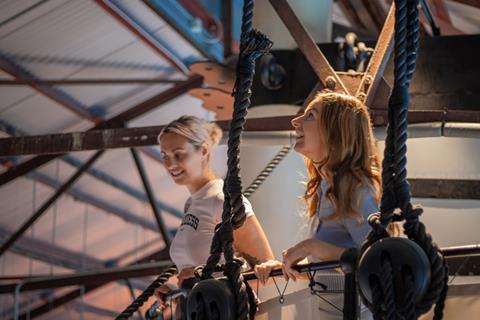
Highlights of the new museum
Construction crew: the exhibition honours the local individuals who built the ship, presenting the remarkable story of the Johnson family - five brothers who travelled from the Wye Valley with their father to work as shipwrights.
Australia and First Nations History: in the Australian section of the museum, the displays will focus on the ship’s impact on migration as the most popular ship connecting Britain and Australia. The SS Great Britain made 32 round trips from Liverpool to Melbourne carrying 15,885 emigrants to Australia, completely changing the Australian continent and the lives of its First Nations inhabitants.
Conflict in India and Crimea: the museum will also examine the ways in which the SS Great Britain was used as a troop carrier in global and imperial conflicts. During 1855-1856 the Great Britain made several journeys carrying troops and horses to take part in the Crimean War, including the regiments of Ottoman General Omer Pasha, and later it travelled to Mumbai carrying British soldiers in an effort to quell the Rebellion in 1857.
Shani Whyte, one of the community researchers on the project described it as “one of the most inspiring parts of my life so far” adding: “So many people from different backgrounds from all around the world travelled on the ship and it’s so exciting that their stories will now be told.”

Future vision as Bristol Dockyards
The reopening of the museum is the first step in the transformation of the historic site into a cultural and learning campus encompassing the Great Western and Albion dockyards.
Conservation work will include re-establishing the Albion dock as a working dockyard for maritime skills training opportunities. It’s hoped that everything will be finished in time for the 60th anniversary of the ship’s return to Bristol from the Falkland Islands in 2030.
Andrew Edwards, CEO of Bristol Dockyards and the SS Great Britain Trust said: “This reopening marks an important moment, not only for the SS Great Britain Trust, but for the future of this historic site.
“We are committed to safeguarding this extraordinary heritage while being ambitious about what it can become: a dynamic cultural campus rooted in community participation, learning and maritime heritage.”
Group visits
Parties of 15 or more can receive free entry for the GTO and coach driver as well as a discount off souvenir guidebooks and a partial refund on parking. Admission includes entry to the museum.
To find out more about group visits to the rebranded Bristol Dockyards go to bristoldockyards.org/group-visits