






The EU’s Entry/Exit System became fully operational in April, replacing manual passport stamping with biometric data collection. We hear from coach operators, GTOs and industry bodies about their experiences so far and what group travellers need to know before they head to Europe.
The aim of the EES is to improve border security within the EU and its neighbouring countries. Designed to be more efficient, the system replaces manual passport stamping by using an automated system in which travellers entering and leaving the Schengen area (29 countries), need to register biometric details such as fingerprints and facial scans.
Coach travel in and out of Dover
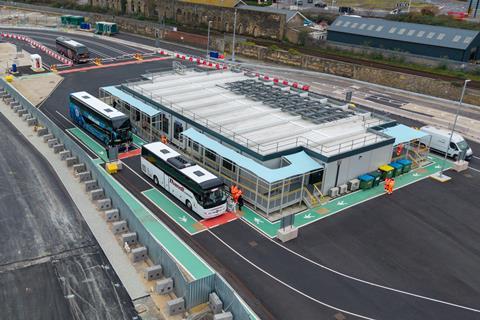
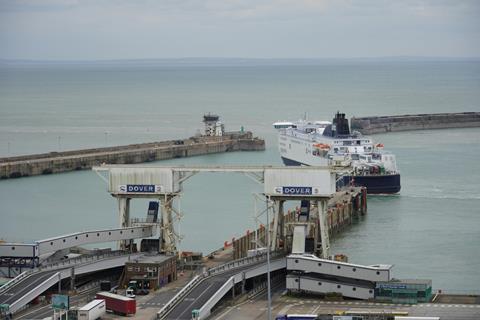
There is a purpose-built processing area for EES checks at the new Western Docks with a full guide for coaches travelling across the Channel to France.
Robert Shaw, chair of the Coach Tourism Association, said the feedback from coach operator members was that the initial roll-out of the EES System had been relatively smooth and had not caused regular, significant delays.
However, he said there were concerns that when the full biometric system is implemented consistently at Dover, it has the potential to “cause significant delays during pinch-points during the busiest periods of the year”.
Robert added: “Importantly, coach travel is the most efficient and sustainable way to connect the UK with Europe, and it’s an extremely comfortable and convenient way to travel. While the EES system introduces additional steps for passengers during initial enrolment, travellers and operators are already becoming accustomed to the requirements. As a result, we’ve not seen the initial roll-out of EES as a significant barrier, either to customers’ desire to travel to the Continent, or to operations during cross-channel crossings by coach.”
“My advice to GTOs is to keep your group completely au fait with the EES and advise them to make sure they have a bottle of water and a snack to hand.”
Chris Taylor, Wey Valley Theatre and Travel Club
A coach operator’s perspective
Lloyd McGowan, general manager at Jason Edwards Travel said the process at Dover is “relatively straightforward” and that their customers were becoming accustomed to the new requirements. However, he said that once the EES process has been completed and the coach has been “sealed”, coaches were being directed to rejoin the Eastern Docks which was extending the time they need to wait.
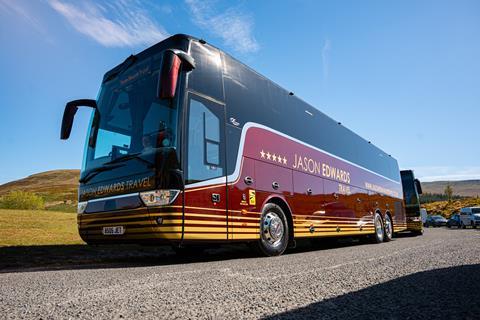
Mr McGowan said: “This means that they enter the same queues as the private vehicles, all of which are still waiting to undergo the EES process that the coach passengers have already completed. As a result, much of the efficiency gained through the dedicated coach processing facility is lost, and journey times are unnecessarily extended. By contrast, on the French side, the scanning process continues to operate as normal, with coaches remaining within dedicated coach-only lanes throughout.”
Port of Dover’s response
Chief executive of the Port of Dover, Doug Bannister, said they were aware of congestion issues and were looking to prioritise coaches but that there would be a “small residue of tourist traffic to clear”, although this should be “minimal”. They said there was not yet a confirmed date for when the full EES would be implemented and added: “We’ve invested £40 million in preparing for the new EU Entry Exit System. We’ve reclaimed land from the sea and installed 84 new dedicated kiosks in a purpose-built facility. Our infrastructure at Dover is ready to go. However, the activation of the kiosks by the French authorities is outside our direct control and as we approach the summer, there is no date yet for that to happen.
“Our focus remains firmly on keeping traffic moving, working with both the UK and French authorities to ensure Dover continues to operate smoothly during the busy summer period.”
The process at a glance
- On your first visit to the Schengen area, you may be asked to create a digital record at the port/airport on arrival (a photo and fingerprints).
- You do not need to provide any information before travelling to a Schengen area country.
- If you are entering the Schengen area through the Port of Dover, Eurotunnel or via Eurostar, any EES checks will be completed at the border, before you leave the UK.
- You may also be asked to provide either your fingerprint or photo when you exit the Schengen area.
‘Smooth’ rollout at Eurotunnel
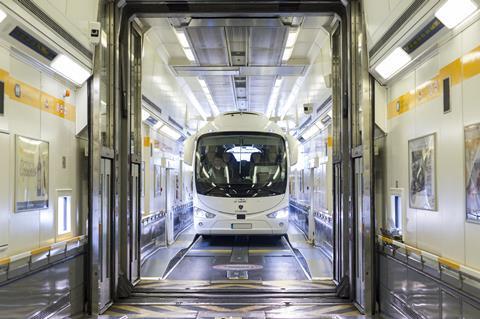
A spokesperson for Eurotunnel said that the Entry/Exit System processes for coach groups had been in place at Folkestone and Calais since October and that additional formalities, such as biometric data collection had been “successfully integrated, maintaining a smooth and reliable process for coach operators and their passengers.”
Experiences at airports
Shauna Potts from group tour operator Simply Groups recently travelled with groups to Italy and France. She said: “Our group travelling by coach to France on the Dover crossing were not adversely held up at all. We had of course allowed extra time for this process just to be safe but in actual fact, this was not really required.” In contrast, when she flew to Bari in Italy from Gatwick with a group, they faced challenges. She said there were queues because there were only two machines working when they arrived at the airport. And when they flew home, there were more issues with the terminals not recognising any passports.
Shauna added: “It was certainly not as easy or smooth running as had been hoped, but thankfully we had allowed extra time for the return check-in, as otherwise there may have been a different outcome.”

Gwen Wright, The Arts Society (Cranleigh), was from the group on the visit and she spoke of the challenges they faced, although despite these, they had a fantastic holiday.
How GTOs have found the new system
Chris Taylor of Wey Valley Theatre and Travel Club (pictured left) flew a group of 42 to Milan two days after the EES came in. She said most of the problems were to do with the fingerprints: “It seemed whichever way some tried it, pressing lightly or strongly, their fingerprints were simply not admissible. This was the most stressful part of the procedure.”
She said while it was “more relaxed” when the group returned to the airport for their flight home to Gatwick, there were anomalies and that the four who had failed to get in electronically, went through easily. More recently Chris flew to Malaga Airport for a four-night stay and went in and out of Spain with just electronic passport recognition with no fingerprints asked for. Her advice to GTOs is to keep their group completely “au fait with the EES procedures and ensure they have a bottle of water and a snack to hand.”
What ABTA has said
Wilma Thaning, UK & EU public affairs manager at ABTA, said: “Overall, passengers’ experience of EES has been mixed, with some people having no issues at all whereas others have experienced queues or technical problems.
“We’re encouraging borders to use the contingency measure of standing down biometric checks during particularly busy periods, and for destinations and border authorities to plan ahead of peak travel by using additional staff at the busiest times. This will help manage queues, avoid delays and keep passengers moving.”
For more information visit: gov.uk/guidance/eu-entryexit-system.














No comments yet