





UK mayors could soon have the power to introduce tourist taxes on overnight stays but the move has sparked mixed reactions from the travel industry.
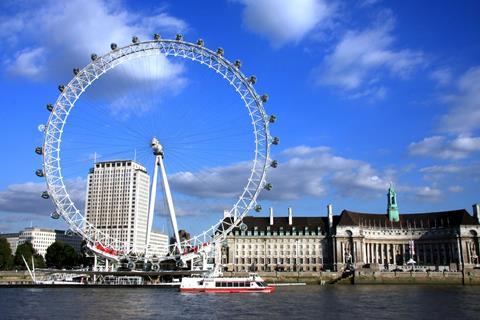
Under the proposals, mayors would get new powers to bring in a “modest” charge on overnight stays, using the money to invest in transport, infrastructure and the economy.
The levy would apply to visitors at accommodation providers including hotels, holiday lets, bed and breakfasts, and guesthouses with a government spokesman saying: “The move would ensure UK mayors have the same powers as their counterparts in cities like New York, Paris and Milan, where charges on short-term trips are already commonplace.”
Announced on the eve of the Budget, it was previously estimated that a £1 a day levy could raise £91m a year alone in London, while a 5% charge would raise £240m.
The Mayor of London, Sadiq Khan welcomed the news and said: “Giving Mayors the powers to raise a tourist levy is great news for London.
“The extra funding will directly support London’s economy, and help cement our reputation as a global tourism and business destination. It also shows what can be done when ministers work closely with Mayors to devolve more powers to cities and regions.”
Reactions from the travel sector
Paul Harper, commercial director at coach holiday provider Daish’s Holidays, said that the tourist tax, coupled with the Autumn Budget, delivered “yet another blow to an already over burdened hospitality sector”.
He added: “Introducing a tourist tax in the UK would add to the already high tax burden faced by businesses and visitors. While many European destinations have similar charges, they benefit from much lower VAT rates so the overall cost to tourists and operators remains significantly lower.
“Implementing a UK tourist tax would simply push prices higher, increase inflation, and place additional pressure on businesses that are already struggling with high operating costs.”
Commenting on the Budget in general, Paul said: “Coastal towns are the backbone of the UK’s tourism industry, yet they face unique challenges, including seasonal fluctuations and infrastructure needs. This budget does little to recognise their specific challenges.
“Without targeted investment in transport links, digital connectivity, and local regeneration projects to create vibrant, sustainable destinations there is a real risk of long-term decline in places that depend heavily on tourism.”
Unfair comparison with European competitors
Other reactions have referred to the fact that European cities which have already introduced similar tourist taxes, don’t have a VAT rate as high as the UK and that ultimately introducing it here will make us less attractive to tourists.
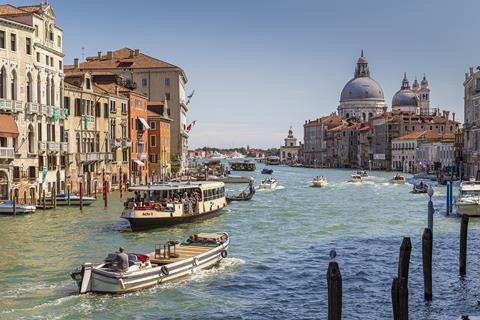
Luke Petherbridge ABTA Director of Public Affairs said: “ABTA has consistently raised concerns about the cumulative impact of increasing taxes and charges on tourists and tourism businesses, with the UK already applying much higher rates of VAT than many countries and levying the highest air departure tax in the world.
“Against that backdrop, it’s hard to see how a further tax will not simply worsen the UK’s situation when it comes to competitiveness. We will be engaging with industry partners to respond to the consultation in the coming weeks.”
Others have welcomed the news
Councillor Kevin Guy, leader of Bath & North East Somerset Council and also the deputy mayor of the West of England Combined Authority said: “We are about to welcome tens of thousands of visitors over the next three weeks to our world-famous Christmas Market which contributes millions to our regional economy but also comes at a cost on our resources. So I welcome a levy which we have long been calling for because it will help making tourism work for everyone.
“We want to sustain the quality of the visitor experience while protecting the wellbeing of our communities. That means giving councils the tools to manage tourism in a way that reflects local needs and priorities. I am proud of the huge role Bath plays in supporting the national visitor economy – the levy should allow a fairer system, one that recognises the costs as well as the benefits of tourism and allows us to reinvest directly into the services and infrastructure that make great visits possible.”
The plans will be subject to a consultation running until 18th February, which will include considering whether there should be a cap on the amount. You can have your say here.






No comments yet