



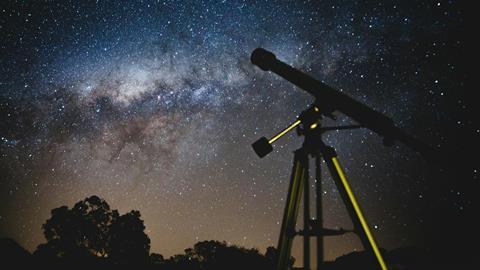

The UK is home to some of Europe’s darkest and most spectacular night skies. We explore seven outstanding Dark Sky Reserves and observatories perfect for group visits, from Kielder in Northumberland to Exmoor and the Brecon Beacons.
Kielder Observatory
Sitting within the largest protected Dark Sky Park in the UK, Kielder has virtually no light pollution, offering some of the darkest night skies in Western Europe.
Groups receive a warm welcome at Kielder which gives them a tour of the facility and equipment, explaining how the telescopes work and the importance of dark sky presentation. The astronomers are also on hand to give a presentation with Q&A as well as lots of advice on stargazing at home.
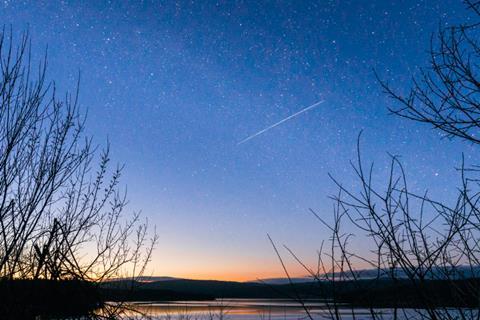
The observatory hosts more than 40 public events every month and since it opened in 2008, thousands of people have been able to observe and engage with the beauty of the night sky at Kielder.
Yorkshire Dales National Park Dark Sky Reserve
The area became an International Sky Reserve in 2020 and covers the upper ends of Swaledale, Rawthey Valley, Garsdale, Littondale and Wharfedale.
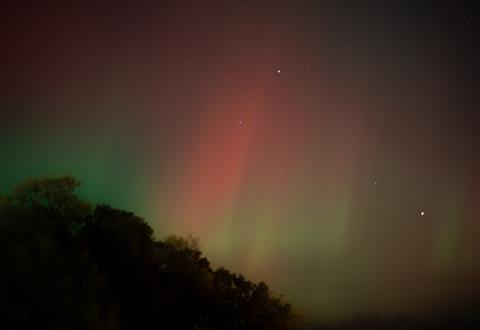
On a clear night, it is said you could see as many as 2,000 stars in most places across the national park and possibly even the Milky Way as well as the planets and meteors. The lucky ones may even catch the Northern Lights or the International Space Station travelling at 17,000 mph overhead.
Groups can start by heading to one of the four designated Dark Sky Discovery Sites - at Hawes and Malham National Park Visitor Centres, Buckden National Park Car Park and Tan Hill Inn.
Brecon Beacons Dark Sky Reserve, Wales
Offering excellent viewing conditions throughout the colder months, this became Wales’ first International Dark Sky Reserve in 2012.
Expert guides lead visitors through the constellations, planets and galaxies using state-of-the-art telescopes. Groups can also choose an astrophotography experience in which they will learn to photograph celestial events such as the Milky Way’s splendor or meteor showers.
And don’t worry, there’s a Warm Room facility so regardless of the weather during your stargazing experience, there’s somewhere to go that’s warm and dry.
OM Dark Sky Park & Observatory, Omagh
Groups can make use of the outdoor viewing platform with red ambient lighting for star gazing at the observatory.
The team publish an Astronomical Calendar on the website so you can see what to look out for including meteor showers, moon displays and when certain planets are in view.
There is also an interactive exhibition to visit which links the stunning landscape with the astronomical and archaeological heritage of the Sperrins, featuring holographic installations.
North York Moors National Park
Groups can now visit a permanent astronomical observatory open at Danby Lodge National Park Centre.
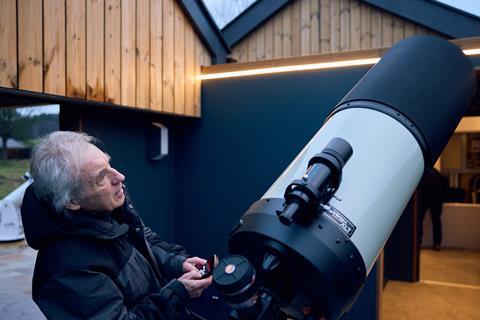
Opening as part of the 2026 Dark Skies Festival at the national park, the facility is home to a state-of-the-art telescope and a room for up to 30 people to take part in talks, presentations and hands-on activities.
Visitors can check out an interactive Discover the Universe exhibition which introduces key concepts of astronomy. There’s also an outdoor area for group observations and guided sessions beneath the open sky.
Exmoor International Dark Sky Reserve, Taunton
The Exmoor Dark Skies Festival takes place each autumn (this year, it’s 16th October until 1st November) which last year featured guided night hikes, bat trails and fireside storytelling sessions.
Europe’s first International Dark Sky Reserve, the site has a discovery trail, covering about two miles, which takes you through some of the darkest parts of Exmoor.
South Downs National Park Dark Sky Reserve
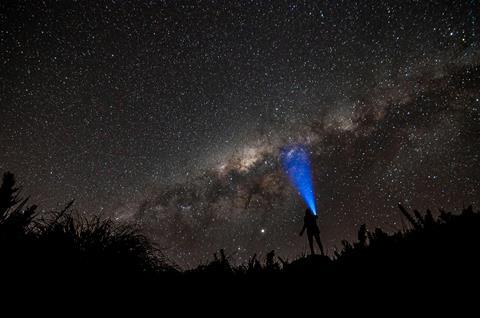
Celebrating its tenth anniversary as an International Dark Sky Reserve in 2026, the national park offers breathtaking views of constellations, celestial displays and the Milky Way.
It has a number of locations designated as Dark Sky Discovery sites which are free from the worst effects of urban light pollution and offer good public access as well as great sightlines so you can explore the wonders of the night sky.
These include the Winchester Science Centre & Planetarium and Buster Hill, said to be the highest observing point in Hampshire with 360-degree views.
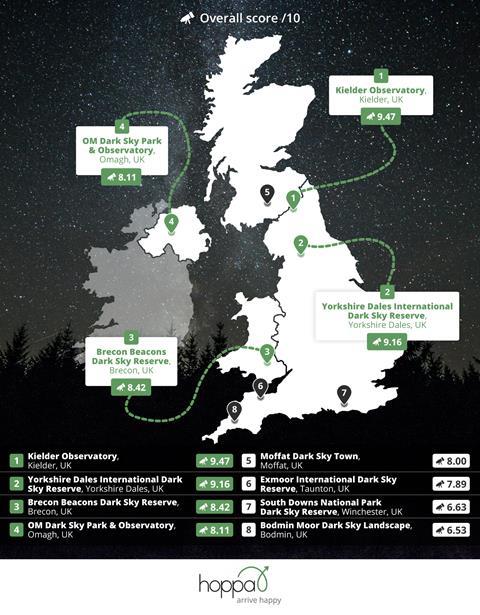
Research into Europe’s best locations for stargazing was carried out by airport transfer platform hoppa which ranked a combination of factors including dark sky status, cloud cover, aiport access and hidden gem status.