



An exhibition opening at the museum in Bradford in May will explore the technical innovations that helped Eurovision to become a global phenomenon.
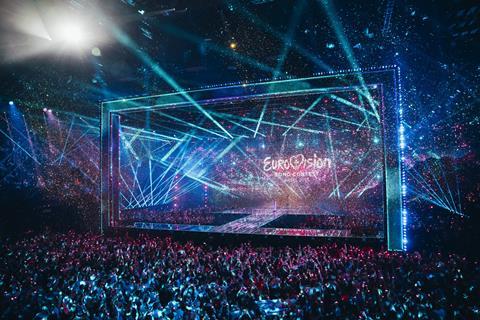
Setting the Stage: 70 Years of the Eurovision Song Contest will open at The National Science and Media Museum on 8th May and run until February 2027, coinciding with the 70th anniversary of the Eurovision Song Contest.
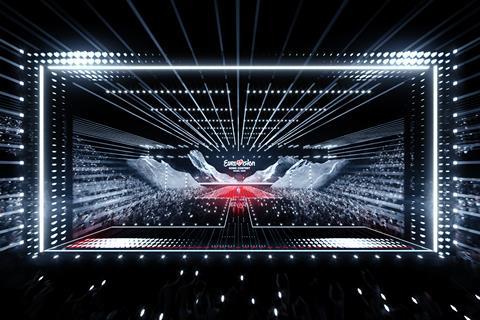
The exhibition will explore the technological history and innovation at the heart of the world’s largest live music event that has contributed to its enduring legacy. From pioneering early broadcast technology to the staging, lighting and production techniques that have come to define the competition, the exhibition charts the evolution of the Eurovision Song Contest.
Jo Quinton-Tulloch, director of the National Science and Media Museum said: “For seven decades, the contest has consistently pushed the boundaries of what live television can achieve by embracing the most advanced technologies.
“As one of the biggest live broadcast events in the world, reaching 166 million global television viewers in 2025, the science and innovation behind the contest has underpinned its growth from a post-war experiment into a global brand, helping to shape modern broadcasting as we know it today.”
What to expect
Visitors will be able to get hands-on with a series of interactive displays. An interactive Nil Points Jukebox will offer an insight into the voting technology, giving visitors the opportunity to cast their vote to rank the competitions most iconic “zeroes”.
The exhibition will also shine a light on the people behind the show, whose creativity and collaboration have shaped its evolution. Objects on display include a Marconi Mk III camera head used in the early TV broadcasts that helped to make the Eurovision Song Contest possible, and a Shure Duraplex headset used by contestants during high-octane dance routines.
Elsewhere in the exhibition there will be a dedicated performance space where visitors will be able to take to the stage and perform from a selection of Eurovision Song Contest hits. Iconic outfits from hosts and performers and memorable moments captured through specially commissioned and archive video footage will also feature.
A supporting public programme will explore the broader history and impact of the contest, including themes like music, performance, stagecraft and careers in broadcasting.
Group visits
The National Science and Media Museum welcomes groups including community groups, special interest and social groups and coach tours.
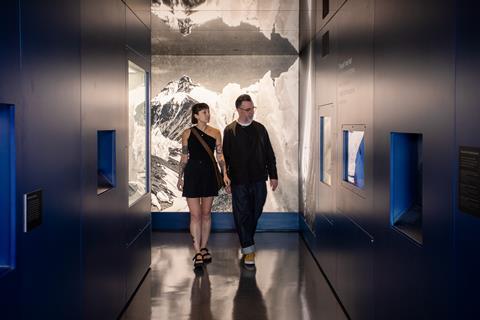
Visiting groups can explore the museum’s permanent and temporary exhibitions. Groups should provide the dates they wish to visit, the number of people in the group and any access needs when booking.
For more information about the National Science and Media Museum, visit www.scienceandmediamuseum.org.uk.