



A major exhibition celebrating Marilyn Monroe’s life opens at the National Portrait Gallery this June. Marilyn Monroe: A Portrait features previously unseen photographs and iconic artworks.
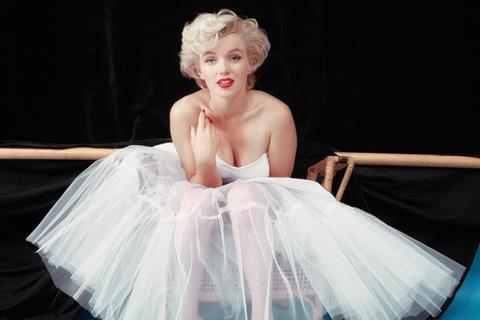
Featuring previously unseen photographs Marilyn Monroe: A Portrait marks what would have been the star’s 100th birthday and will explore the role she played in her own image making, and her inspiration on photographers and artists in her lifetime and long after.
The exhibition, organised in collaboration with the Estate of Marilyn Monroe, will run from 4th June – 6th September. It will bring together works by Andy Warhol, Pauline Boty, James Gill, Rosalyn Drexler and Audrey Flack, alongside photographs by era-defining photographers including Cecil Beaton, Philippe Halsman and Bernard of Hollywood.
Victoria Siddall, director of the National Portrait Gallery said: “Marilyn Monroe remains one of the most recognisable people in modern history: a shorthand for glamour, distilled from the films that she appeared in and the wealth of photographs of her, reinforced by the generations of artists she has inspired.
“We are proud to be staging this exhibition celebrating Marilyn in her centenary year, exploring her extraordinary life and influence as well as her enduring legacy.”
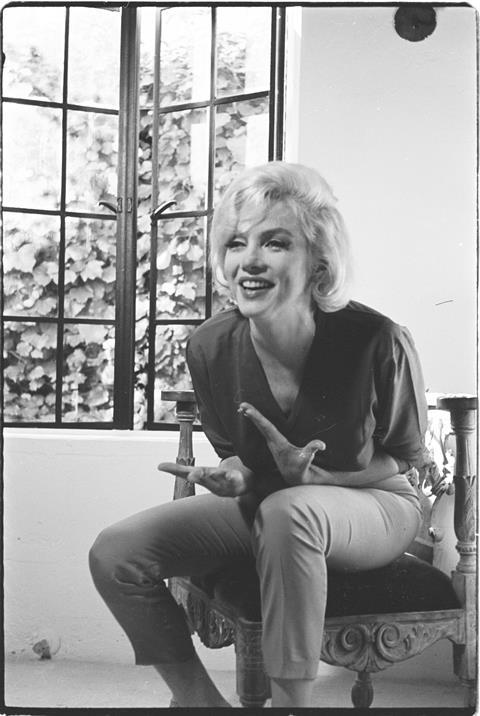
Born on 1st June 1926, Monroe remains a defining presence in popular culture. From the earliest pin-up photographs made when she was a young model named Norma Jeane, to her last interview for LIFE magazine and the poignant final images taken on Santa Monica beach in 1962, she was one of the most photographed people in the world, and fascinated and inspired some of its greatest artists.
Marilyn Monroe: collaborator and creative director
The exhibition will also feature previously unseen photographs from LIFE magazine; intimate portraits taken by Allan Grant at Monroe’s Brentwood residence the day before her death in August 1962.
Grant’s exclusive session, which accompanied her final interview with associate editor Richard Meryman, captured 432 images of which only eight were originally published. These photographs show Monroe reading the transcript of her interview, performing a range of emotions from joy and contentment to quiet reflection.
Photographers who worked with Monroe described her as the best subject they had ever had. The exhibition will look at her collaborative approach to image making and her creative agency; she not only performed, but also directed sessions and claimed the right to veto any images she did not like.
From Pop Art icon to cultural legacy
The shock of Monroe’s death in 1962 led to the production of numerous portraits by artists on both sides of the Atlantic.
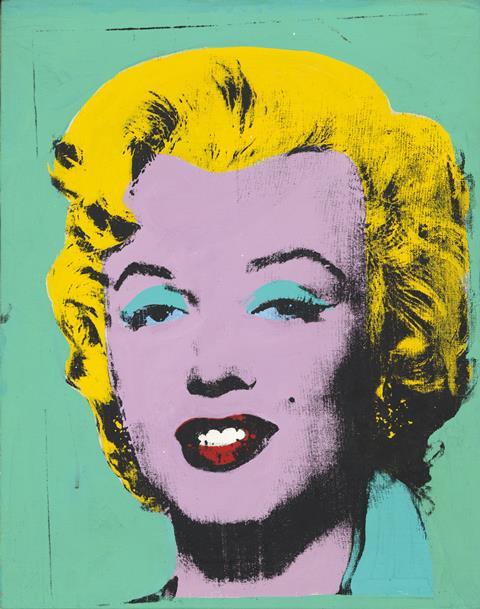
British Pop artist Pauline Boty, a devoted fan, worked through her grief in paintings including The Only Blonde in the World (1963) and Colour Her Gone (1962). While in New York, Andy Warhol created his iconic screen prints. In the artist’s work, Monroe was no longer just a movie star, but the great American icon.
Rosie Broadley, joint-head of curatorial & senior curator of 20th century collections at the National Portrait Gallery, added: “It has been a privilege to spend time curating an exhibition about a woman who both defined and challenged the era in which she lived.
“In addition to her iconic beauty, Marilyn Monroe had inimitable attitude, intelligence, strength and humanity and it is no surprise that she held such fascination for artists working during her lifetime and in the decades since.”
For more information, including group visits to the National Portrait Gallery, go to www.npg.org.uk